MetaMask Chrome Extension: The Ultimate Guide to Secure Web3 Access
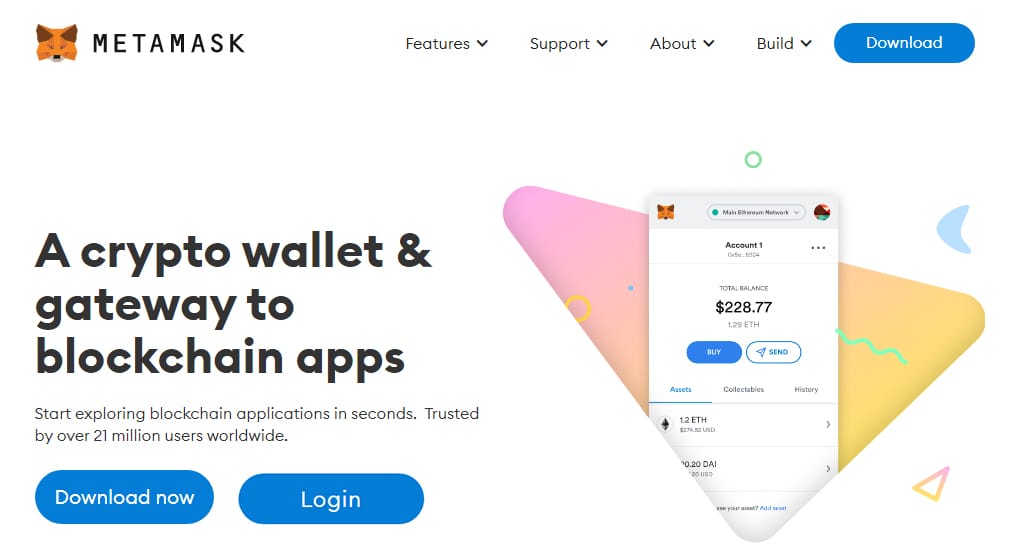
The MetaMask Chrome Extension has become one of the most essential tools in the world of blockchain, decentralized finance (DeFi), and Web3. Whether you’re trading NFTs, using decentralized applications (dApps), or managing crypto assets, MetaMask acts as a secure gateway between your browser and the Ethereum blockchain—and far beyond.
In this guide, we’ll explore what the MetaMask Chrome Extension is, how it works, its key features, and why millions of users trust it as their go-to crypto wallet.
What Is the MetaMask Chrome Extension?
The MetaMask Chrome Extension is a browser-based cryptocurrency wallet that allows users to store, send, receive, and manage digital assets directly from Google Chrome. Developed by Consensys, MetaMask supports Ethereum and multiple Ethereum-compatible networks such as Binance Smart Chain, Polygon, Arbitrum, and Optimism.
Unlike traditional wallets, MetaMask doesn’t just hold crypto—it also lets you interact seamlessly with Web3 applications, making it a cornerstone of the decentralized internet.
Key Features of MetaMask Chrome Extension
1. Secure Crypto Wallet
MetaMask provides a non-custodial wallet, meaning you control your private keys. Your wallet data is encrypted locally in your browser, and only you can access it using your password and secret recovery phrase.
2. Easy dApp Connectivity
With just one click, the MetaMask Chrome Extension connects to thousands of decentralized applications. From DeFi platforms like Uniswap to NFT marketplaces like OpenSea, MetaMask makes Web3 interaction effortless.
3. Multi-Network Support
Beyond Ethereum, users can add custom networks and manage assets across multiple blockchains—all from a single interface.
4. Built-In Token Swaps
MetaMask includes a built-in swap feature that aggregates liquidity from multiple decentralized exchanges to help users find competitive rates without leaving the extension.
5. NFT Management
You can view, send, and store NFTs directly inside the MetaMask Chrome Extension, making it easier to manage digital collectibles.
How to Install MetaMask Chrome Extension
Installing MetaMask is quick and beginner-friendly:
- Visit the official MetaMask website
- Click “Download” and select Chrome Extension
- Add the extension to Chrome
- Create a new wallet or import an existing one
- Secure your secret recovery phrase
Once installed, MetaMask lives right next to your address bar for instant access.
Why Use MetaMask Chrome Extension?
User-Friendly Interface
Even users new to crypto can navigate MetaMask easily. The clean design makes sending tokens, approving transactions, and switching networks simple.
Industry-Wide Adoption
MetaMask is supported by nearly every major Web3 platform, making it the most universally accepted wallet in the ecosystem.
Strong Security Model
While no wallet is 100% risk-free, MetaMask’s local encryption, hardware wallet compatibility, and open-source codebase make it one of the safest browser wallets available.
Is MetaMask Chrome Extension Safe?
Yes—when used correctly. MetaMask itself is secure, but user behavior matters. Always:
- Store your secret recovery phrase offline
- Never share private keys
- Beware of phishing websites
- Use hardware wallets for large holdings
When paired with good security practices, MetaMask is a highly reliable wallet.
MetaMask Chrome Extension for DeFi and NFTs
MetaMask plays a central role in both DeFi and NFTs. Users can stake tokens, provide liquidity, lend assets, mint NFTs, and participate in DAO governance—all through the extension.
This versatility makes MetaMask more than a wallet; it’s a Web3 command center.
Final Thoughts
The MetaMask Chrome Extension is one of the most powerful tools available for anyone exploring blockchain technology. Its combination of security, usability, and Web3 integration makes it a must-have for beginners and advanced users alike.